Delving into Smart Living and Technology: Creating a Carbon-Neutral Household for 2026, this introduction immerses readers in a unique and compelling narrative, with a focus on sustainable living and technological advancements. As we look ahead to 2026, the intersection of smart technologies and eco-friendly practices promises to revolutionize how we approach daily life in our homes.
Exploring the integration of smart devices for energy efficiency, sustainable practices for a carbon-neutral household, and the role of technology in reducing carbon footprint, this topic aims to inform and inspire readers to embrace a greener lifestyle for the future.
Smart Living Technologies
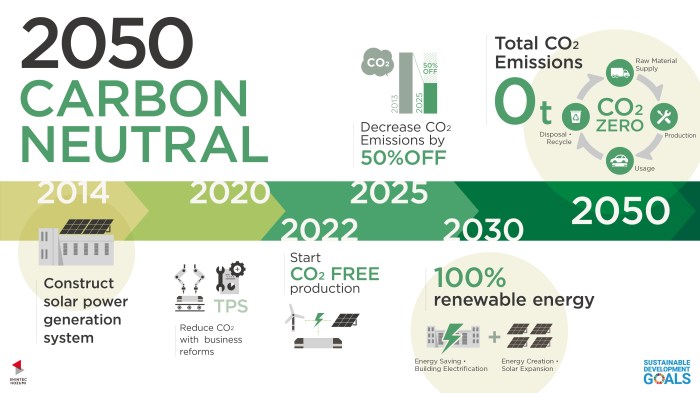 Smart living technologies refer to the integration of innovative devices and systems in households to enhance energy efficiency, convenience, and overall quality of life. These technologies are designed to automate tasks, monitor energy consumption, and optimize resource usage for a more sustainable and comfortable living environment.
Popular Smart Devices for Energy Efficiency
- Smart Thermostats: These devices regulate home temperature based on occupancy and usage patterns, reducing energy waste.
- Smart Lighting Systems: LED bulbs and smart switches can adjust brightness levels and schedules to save energy.
- Smart Appliances: Energy-efficient refrigerators, washing machines, and dishwashers with smart features help minimize electricity and water usage.
- Solar Panels: Solar energy systems can power homes and reduce dependence on traditional electricity sources.
Benefits of Integrating Smart Technologies
- Energy Savings: Smart devices optimize energy usage, leading to lower utility bills and reduced environmental impact.
- Convenience: Automation and remote control features make daily tasks easier and more efficient.
- Environmental Impact: By reducing energy consumption and carbon emissions, smart technologies contribute to a greener planet.
- Data Monitoring: Smart devices provide real-time data on energy usage, allowing homeowners to track and adjust their consumption habits.
Carbon-Neutral Household
Having a carbon-neutral household means that the total amount of carbon dioxide and other greenhouse gases emitted from activities within the household is balanced out by the amount of carbon dioxide removed from the atmosphere or offset through other means. This helps in reducing the overall carbon footprint of the household and its impact on the environment.Examples of Sustainable Practices
- Using energy-efficient appliances and light bulbs to reduce electricity consumption.
- Installing solar panels to generate renewable energy for the household.
- Reducing water usage by fixing leaks, installing low-flow fixtures, and collecting rainwater for use in gardens.
- Composting organic waste to reduce landfill waste and create nutrient-rich soil for gardening.
- Choosing eco-friendly and sustainable materials for home construction and renovations.
Importance of Reducing Carbon Footprint
Reducing the carbon footprint in households is crucial for mitigating climate change and preserving the environment for future generations. By adopting sustainable practices and transitioning to a carbon-neutral lifestyle, households can significantly contribute to reducing greenhouse gas emissions and promoting a more sustainable way of living.Technology for Carbon Neutrality
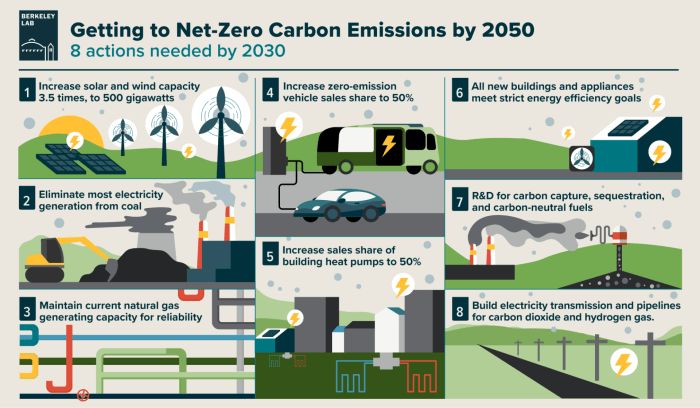
Technology plays a crucial role in achieving a carbon-neutral household by enabling more efficient energy usage and reducing carbon emissions.
Renewable Energy vs. Traditional Sources
Renewable energy sources such as solar, wind, and hydropower offer a cleaner alternative to traditional fossil fuels like coal and oil. They produce electricity with lower carbon emissions and have a smaller environmental impact.
- Solar Panels: By harnessing energy from the sun, solar panels can power homes and reduce dependency on grid electricity.
- Wind Turbines: Wind energy is another sustainable option that can generate electricity without producing greenhouse gas emissions.
- Hydropower: Utilizing the power of water flow, hydropower plants can produce renewable energy efficiently.
Role of IoT Devices in Energy Management
Internet of Things (IoT) devices are essential in monitoring and managing energy consumption in a household. These smart devices can optimize energy usage, identify inefficiencies, and help users make informed decisions to reduce their carbon footprint.
- Smart Thermostats: IoT-enabled thermostats can adjust temperature settings based on occupancy and preferences, leading to energy savings.
- Smart Plugs: These devices can control the power supply to appliances, turning them off when not in use to prevent energy wastage.
- Energy Monitoring Systems: By tracking energy usage in real-time, homeowners can identify patterns and make adjustments to minimize consumption.
Future Trends for 2026
In the near future, advancements in smart living and sustainable technology are set to revolutionize the way we live and interact with our environment. These innovations aim to not only enhance our quality of life but also work towards achieving carbon neutrality for households across the globe.
Advancements in Smart Living
- Integration of AI and machine learning algorithms to optimize energy consumption in homes, reducing waste and increasing efficiency.
- Development of smart appliances that can communicate with each other to coordinate energy usage based on real-time data and user preferences.
- Expansion of smart home ecosystems to include more devices and sensors for comprehensive monitoring and control of energy usage.
Impact of Innovative Technologies on Carbon Neutrality
- Emergence of renewable energy sources like solar panels and wind turbines that can power homes and contribute to a carbon-neutral energy grid.
- Implementation of energy storage solutions such as advanced batteries to store excess energy generated from renewable sources for later use, reducing reliance on fossil fuels.
- Introduction of carbon capture technologies that can remove CO2 emissions from the atmosphere, helping offset carbon footprints of households.
Challenges in Transitioning to a Carbon-Neutral Household
- Cost barriers associated with investing in smart technologies and renewable energy sources, limiting widespread adoption among households.
- Lack of standardized regulations and policies to incentivize carbon-neutral practices and penalize high-emission activities, hindering progress towards sustainability goals.
- Technological limitations in scalability and efficiency of existing solutions, requiring further research and development to overcome challenges in achieving carbon neutrality.
Closure
In conclusion, the journey towards creating a carbon-neutral household by leveraging smart living technologies is not just a possibility but a necessity in our evolving world. By staying informed, adopting sustainable habits, and embracing innovative solutions, we can pave the way for a more eco-conscious future.
Commonly Asked Questions
What are some popular smart devices used for energy efficiency in households?
Popular smart devices include smart thermostats, smart lighting systems, and smart plugs that help optimize energy usage and reduce waste.
How can technology aid in achieving a carbon-neutral household?
Technology can aid in achieving a carbon-neutral household by monitoring energy consumption, optimizing renewable energy sources, and providing real-time data to make informed decisions for reducing carbon footprint.
What are some sustainable practices that can be adopted at home for a carbon-neutral household?
Sustainable practices include recycling, composting, using energy-efficient appliances, reducing water waste, and investing in renewable energy sources like solar panels.